
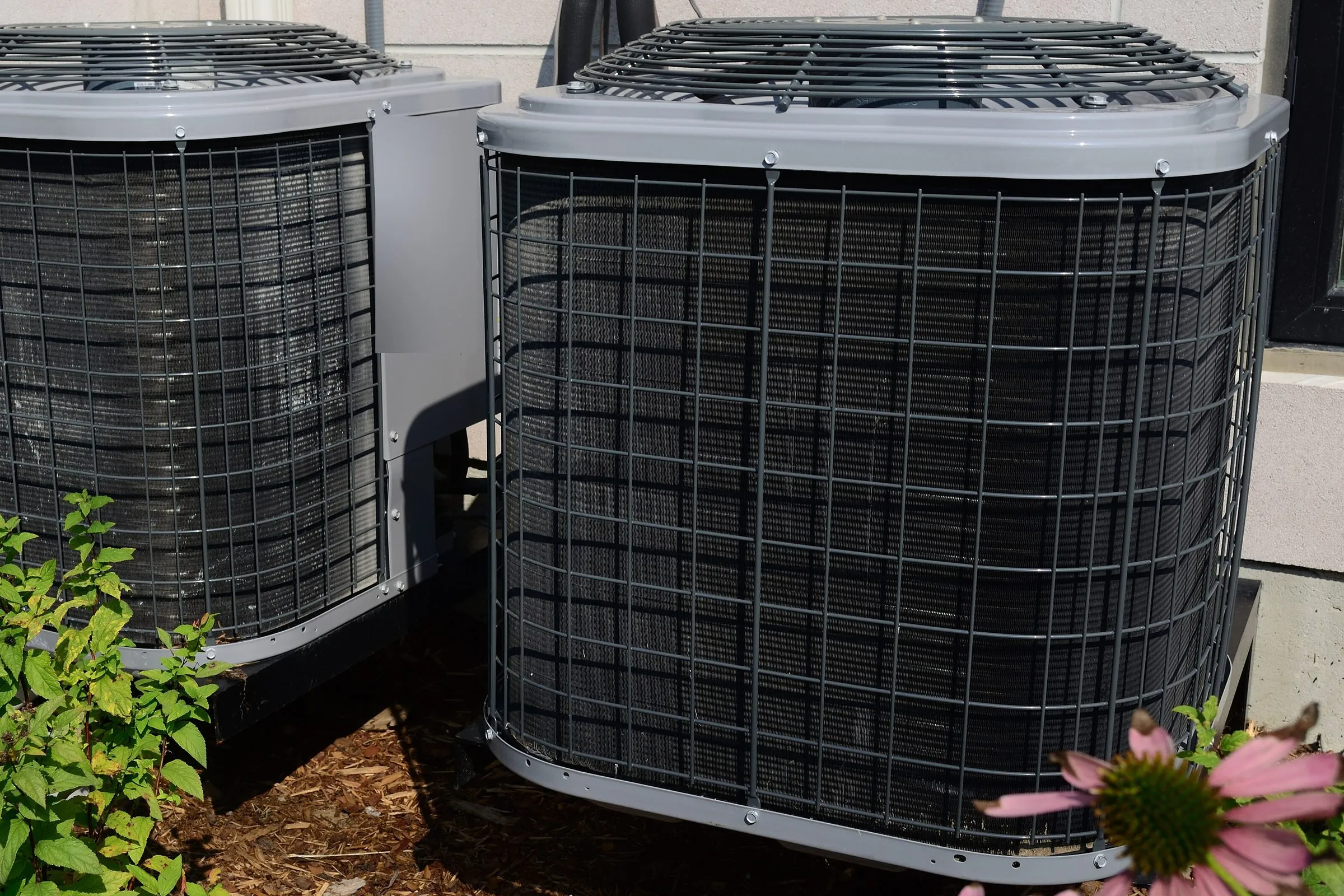
Most answers to the furnace-versus-heat-pump question come from someone selling one of them. This one is mostly arithmetic, using public price data and third-party cost figures, with dates on everything.
The short answer
A heat pump costs more to buy and install than a gas furnace. On heating cost alone, it doesn’t clearly beat a good gas furnace here, because electricity is expensive in New Jersey. But a heat pump also cools the house in summer, and a furnace can’t do that.
So the fair comparison isn’t heat pump versus furnace. It’s one heat pump system (heating and cooling) against a gas furnace plus a central air conditioner. Put it that way and the two options come out closer than either sales pitch suggests.
Upfront cost: what the published numbers say
A caveat first. Installed prices vary a lot between sources, and we could not find a neutral published figure for a gas furnace installed in New Jersey that we’d put our name next to. So this section is lopsided: one good number for heat pumps and no matching number for furnaces.
The heat pump number comes from Rewiring America’s cost guide (undated page, accessed September 23, 2026). For a whole-home heat pump project, the middle of the range (20th to 80th percentile) runs:
| Home size | Total project cost | Median |
|---|---|---|
| 1,500 to 2,500 sq ft | $17,000 to $23,000 | $19,500 |
| 2,500 to 5,500 sq ft | $22,500 to $28,000 | $25,000 |
Those are national figures, not local quotes, and they aren’t Greystone prices. Some contractor sites list lower numbers. Either way, a whole-home heat pump is a five-figure project.
Keep in mind what that number covers. It replaces both the furnace and the air conditioner, so comparing it with a furnace price alone makes the heat pump look worse than it is. If your AC is 15 years old and on its way out, part of that heat pump price is money you were going to spend on cooling anyway.
For the furnace side of the math, our heating guides go through what drives furnace pricing.
Electrical work, the item quotes leave out
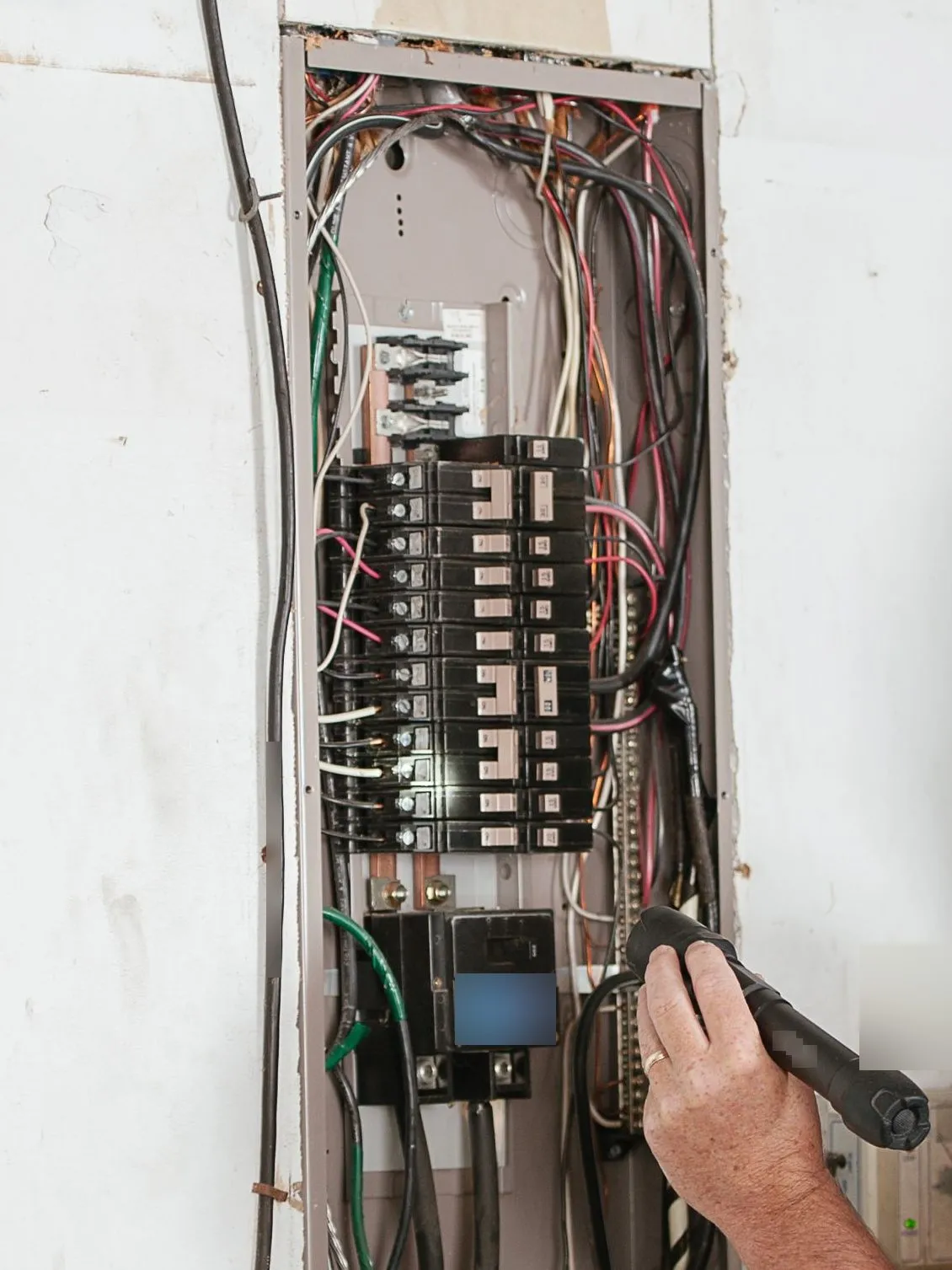
This is the part we’d push hardest on. A heat pump draws real amperage. A house with an older panel, or a small electric service, may need electrical work before the heat pump can go in, and that cost sits on top of the equipment. Rewiring America says only that you “may also need to upgrade your electric panel or wiring.” We didn’t find a reliable published figure for what that costs here, and honestly it varies too much from house to house for an average to mean much.
What we can say is that a quote which has actually looked at your panel is worth more than one that hasn’t. If a heat pump quote doesn’t mention the panel at all, ask about it before you sign.
Running cost: closer than you’d think
A heat pump moves heat instead of burning fuel to make it, so it uses much less energy for each unit of heat it delivers. That part is true. The catch is price per unit of energy.
According to the U.S. Energy Information Administration, New Jersey homes paid an average of 24.95 cents per kWh for electricity in June 2026, against a U.S. average of 18.34 cents (Electric Power Monthly, Table 5.6.A, released August 26, 2026). That’s roughly a third above the national average. Residential natural gas in the state ran $14.22 per thousand cubic feet in January 2026 and $17.68 in June (EIA natural gas prices, New Jersey, released August 31, 2026).
(Side note: you won’t usually see thousand cubic feet on a gas bill. Most residential bills are in therms, which is why these figures look unfamiliar next to your own statement. The summer price per unit is usually higher too, most likely because the fixed charges get spread over much less gas when the heat is off.)
Put the efficiency and the prices together and you get two systems whose heating costs can land close to each other. Which one wins for a given house depends on how efficient each unit is, how well the house holds heat, and your own utility rates. We’re not going to hand you a yearly dollar figure, because any single number would be a guess dressed up as a fact.
Where the heat pump does pull ahead is the full year. If it’s also your air conditioner, its summer running cost replaces the old AC’s, and a newer, efficient heat pump usually cools on less electricity than an aging central air unit.
When a heat pump makes sense in NJ
The clearest case is when the furnace and the AC are both near the end of their lives. One system replaces two, and the upfront gap shrinks fast once you count the AC you no longer have to buy.
No gas line is the other strong case. If the house has no gas service, or getting it there would mean real cost, a heat pump skips that entirely.
Ductless zones make sense for an addition, a finished attic, or a house with radiators where adding ductwork would mean opening walls. And utility rebates, covered below, can close part of the upfront gap, though we’d never pick a system because of a rebate alone.
When staying on gas makes sense
If the gas furnace is healthy and running well, keep it. Replacing working equipment to save on heating is hard to justify on these numbers, and you can replace the AC on its own schedule.
A tight upfront budget points the same way, since a furnace is the lower number. So does a panel that would need a major service upgrade. That cost can offset some or all of the running-cost savings a heat pump might bring.
Rebates and incentives today
Short version: the federal money is gone, and the state money now runs through your utility.
The federal Energy Efficient Home Improvement Credit, worth up to $2,000 a year for a qualifying heat pump, only covers equipment placed in service before December 31, 2025, per the IRS credit page (last reviewed April 28, 2026). A 2026 installation doesn’t qualify.
On the state side, the NJ Clean Energy Program’s page for homeowners sends you to the utilities, which now run the HVAC rebate programs. PSE&G, JCP&L, Atlantic City Electric, Rockland Electric, New Jersey Natural Gas, Elizabethtown Gas and South Jersey Gas each list one. We haven’t quoted amounts here because we couldn’t confirm the current ones on the utilities’ own pages, and they change. Check your utility’s program for your address before you sign anything, and see costs and planning for how to line up quotes.
The total, honestly
For most homes it comes down to where the equipment is in its life.
- Furnace healthy, budget tight: keep the gas furnace and replace the AC when it needs it.
- Both systems near the end, gas at the street: price a high-efficiency furnace plus AC against a ducted heat pump, and compare the whole ten years. That means install price minus rebates you’ve confirmed, plus running cost for both seasons, plus any electrical work.
- No gas: the heat pump case is strong, and the comparison isn’t close.
The middle case is the one that’s really open, and published averages won’t settle it. Your panel, your gas service, your square footage and your utility will. None of it is a reason to rush.
Questions about your own house? Get in touch. You can also read more about Greystone.
Cost figures are third-party figures, dated where cited. They are not Greystone prices or quotes. Rebate programs change and differ by utility, so confirm current amounts before deciding.