
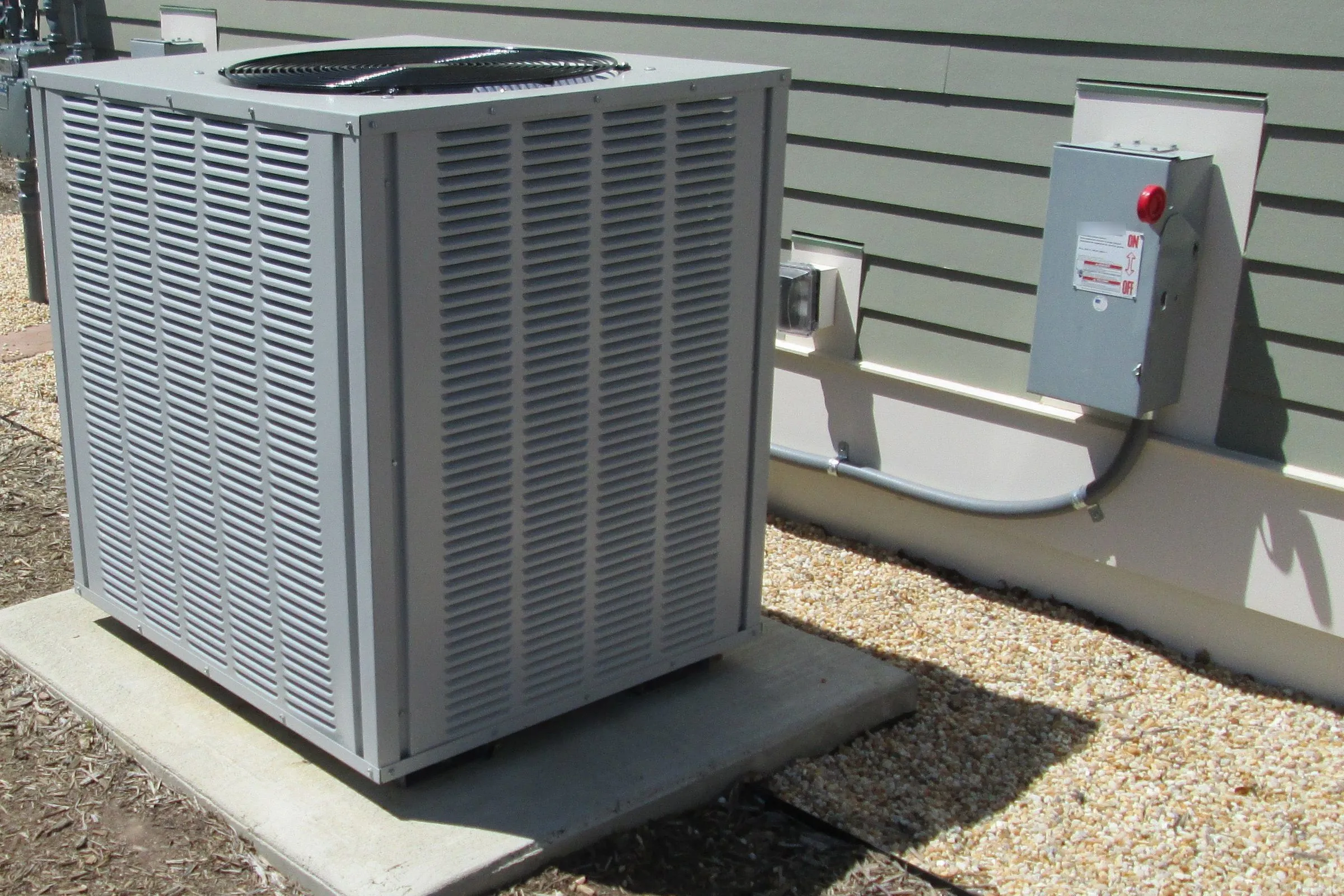
About 15 years is the usual answer, and it’s a fair one. When people ask how long do AC units last, Trane gives that figure for a typical central air conditioner, and Carrier says its systems last 15 to 20 years with proper maintenance. A unit that never gets looked after can wear out closer to 10 or 12.
So if yours is 11 years old, it isn’t on borrowed time. It’s just old enough that the way it has been treated starts to show.
The typical range, and where the numbers come from
A caveat first: nearly every lifespan figure you’ll find online comes from a company that sells air conditioners. That doesn’t make the figures wrong. It does mean they describe a unit that was installed properly and serviced on schedule, which is not every unit.
| Source | What it says |
|---|---|
| Trane | “In general, a central air conditioner will last about 15 years.” |
| Carrier | 15 to 20 years for its own systems with proper maintenance; some reach 25 with diligent care |
| Carrier, same page | 10 to 12 years without maintenance |
Put together, the average life of an air conditioner sits around 15 years, give or take five depending on care. We’d plan around 15 and treat anything beyond it as a bonus.
Not sure how old yours is? The nameplate on the outdoor unit lists a model and serial number, and many manufacturers encode the build year in the serial. Every brand does it a little differently, which is mildly maddening, but the manufacturer’s website or a quick call to its support line will usually decode it.
How long does central air last if it is not maintained?
Shorter. Carrier’s figure for a neglected unit is 10 to 12 years. Trane names skipped filter changes and skipped tune-ups among the things that cut a system’s life down. A clogged filter makes the blower work harder, and a dirty outdoor coil can’t shed heat, so the compressor runs hotter and longer on every summer afternoon.
Can a central air unit last 30 years?
Some do get old. Carrier says a few of its systems reach 25 years with diligent care. Thirty is past anything the manufacturers claim, and a system that old almost certainly runs on R-22. It’s possible. It isn’t a plan.
What shortens an AC unit’s lifespan
Most of the damage comes from things that happen slowly, and one of them happens on installation day.
A unit sized wrong for the house
This is the one we’d put first, because nobody notices it until years later.
The U.S. Department of Energy says installation problems “like oversizing, improper charging, and leaky ducts result in efficiency losses, occupant discomfort, and shortened equipment life” (DOE, Federal Energy Management Program). Oversizing sounds harmless. More capacity, cooler house, what’s the problem?
The problem is short cycling. A unit that is too big for the house hits the thermostat setting in a few minutes, shuts off, and starts again soon after. Starting is the hardest moment in a compressor’s day, and an oversized system does it far more often than it should. It also stops before it has pulled much moisture out of the air, which is why an oversized house can feel cool and clammy at the same time. The cooling hub goes into why sizing starts with a load calculation.
The trap comes at replacement time. Swap a 15-year-old unit for a new one of the same size by default, and whatever sizing mistake was made the first time gets repeated for another 15 years.
Salt air near the shore
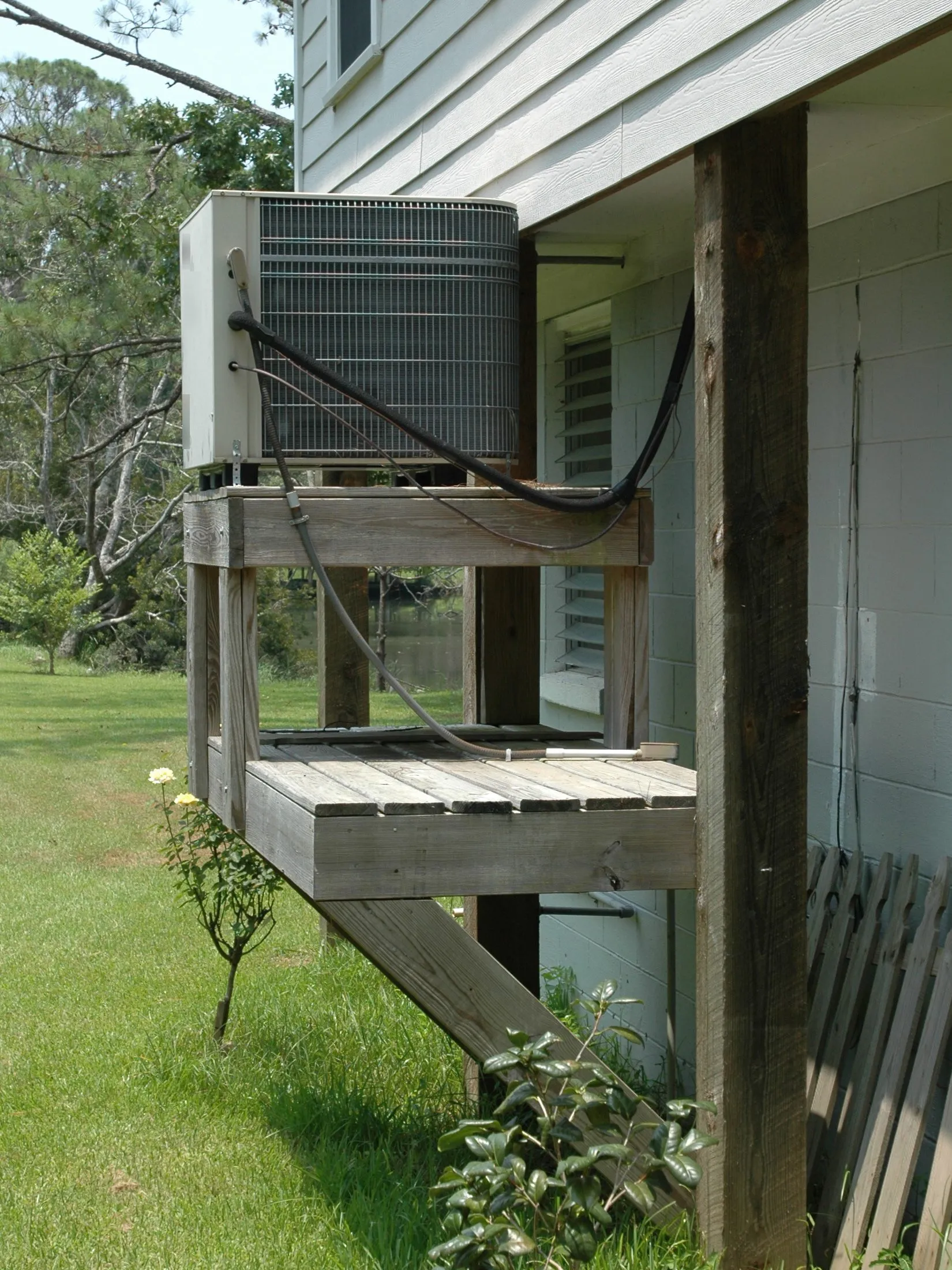
Carrier puts it plainly: “Saltwater spray near the coast is particularly damaging, corroding the condensing coil faster than inland air.” Outdoor units within reach of sea spray tend to show it on the coil fins first. Rinsing the coil gently with a garden hose now and then helps. Keeping shrubs and fencing a couple of feet back helps too, for the same reason it helps everywhere: the unit needs to breathe.
The smaller stuff
A thermostat parked at 68 degrees all July makes the system work harder, according to Trane. Poor charging at installation is on the DOE’s list above. Heavy, constant running in very hot climates wears units out early as well. A New Jersey cooling season is shorter than a Florida one, which counts in your favor, though the humid weeks in July and August still ask a lot of a system.
What if the system still uses R-22?
Plenty of older systems do. R-22 (often called Freon, which is really a brand name that got stuck to the whole category, the way people say Kleenex) stopped being produced or imported in the U.S. on January 1, 2020.
That date gets used to push replacements, so here is what the EPA actually says: “There is no EPA requirement to get a new system or convert existing HCFC-22 units for use with a non-ozone-depleting substitute refrigerant.” After 2020, only recycled, reclaimed or previously produced R-22 can be used to service existing equipment (EPA).
In practice, an R-22 system that isn’t leaking can keep running. One that needs a big refrigerant top-up is a different conversation, because that R-22 comes from a shrinking supply. How much that should weigh on the decision is hard to say in general; it depends on the leak and what the fix involves.
Rules for the refrigerants in new systems are changing too. They’re still moving, so check the EPA’s current page rather than any date you read in an article, this one included.
How do you know it is nearing the end?
General guidance, not a formula. None of these alone means replace:
- It’s past 15 years old.
- Repairs have gone from rare to every summer.
- Cooling bills keep climbing while your habits haven’t changed.
- Some rooms stay warm, or the house feels sticky even when the air is cold.
Two or three together, on a unit in its teens, is usually the point where it makes sense to start reading up, before the first heat wave rather than during it.
Repair or replace?
We won’t give you a formula here, because the honest ones depend on prices and there’s no rule of thumb we’d stand behind. A newer system with one failed part is usually worth repairing. An old one on R-22 with a leak, or a system that has needed something every year, leans the other way.
If you’re starting to price a replacement, the costs hub covers what goes into it. And if you are replacing anyway, a heat pump can cool the house and heat it too, which is worth a look before you buy a like-for-like unit.
Questions about your own system? Get in touch.