
A furnace rarely quits without warning. It complains first: a noise that wasn’t there last winter, a bedroom that never quite warms up, a repair bill that shows up one season after the last one. The hard part is knowing when those complaints add up to replacing it instead of fixing it again.
Below are the signs one at a time, with the two safety signs pulled out on their own, because those don’t belong in a cost decision at all. For the wider picture on furnaces and boilers, start with the heating guide.
The baseline: age
Carrier says a well-maintained furnace typically lasts 15 to 20 years, and suggests starting to research replacement options around year 15. ENERGY STAR lists “more than 15 years old” as a reason to consider replacing a furnace or boiler.
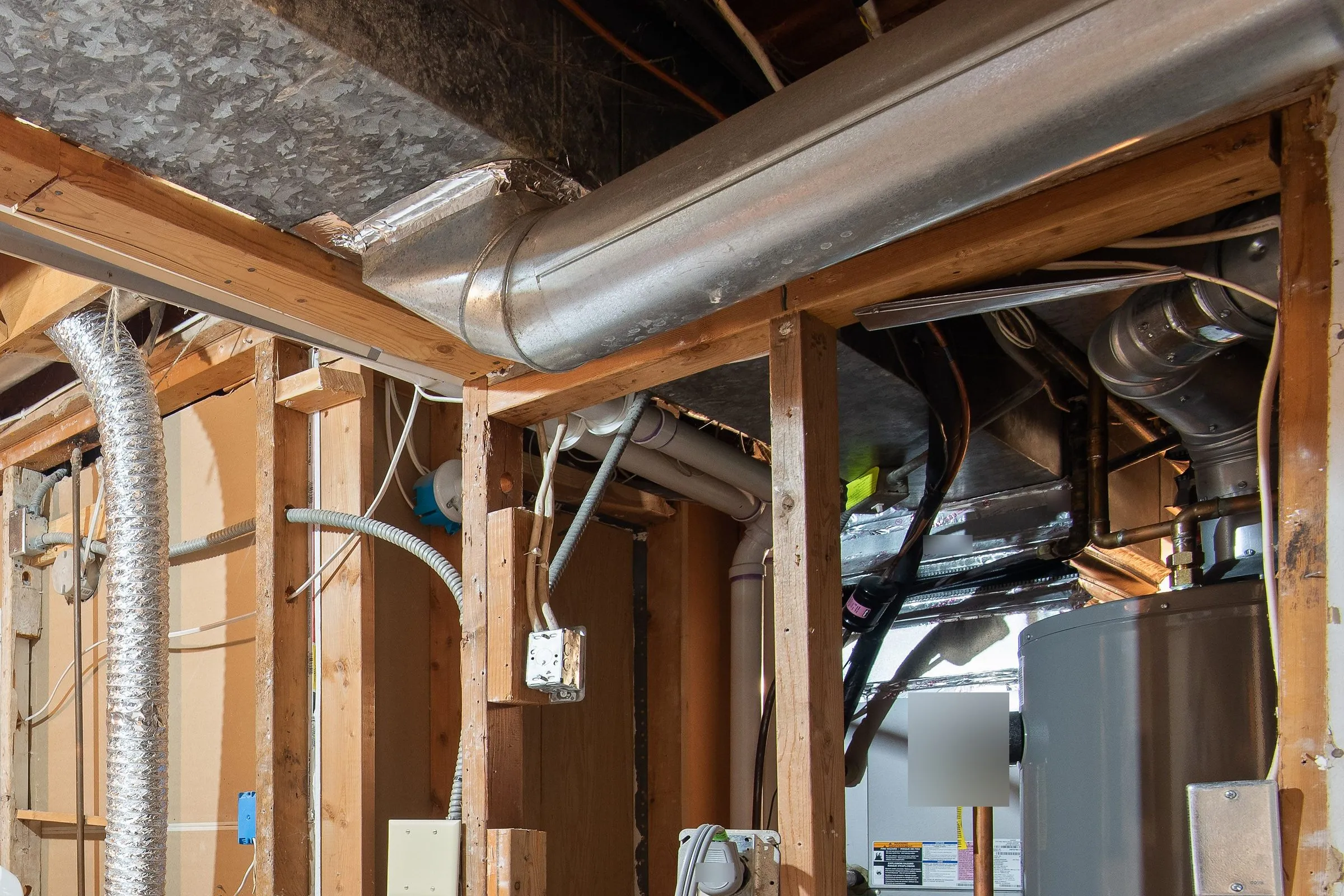
The date of manufacture is usually on the rating plate inside the cabinet, and if your furnace sits in a basement or utility closet, as it does in plenty of older New Jersey houses, it only takes a flashlight to read it.
Age alone is no reason to pull out a furnace that runs well, but it is the yardstick for everything else on this page. The same repair means one thing at year 9 and something quite different at year 18, because at 18 you are paying to keep a unit going through whatever is left of its life.
When to replace a furnace: the signs, one by one
The house takes longer to warm up
Cycles run longer to reach the thermostat setting, or the house just sits a degree or two colder than it used to. Uneven heat tends to come with it, and ENERGY STAR lists uneven temperatures as a reason to have the system evaluated. Check the filter before blaming the furnace, because a clogged filter causes both symptoms and is the most common cause.
New noises
Every furnace makes some noise, so what counts is change: banging, rattling or screeching that wasn’t there last season, or a hum that gets louder every month, means something inside has loosened or started to wear.
Short cycling
The burner fires, runs briefly, shuts off, and does it again a few minutes later. That wears parts faster and usually points at something specific, like a furnace too big for the house, a failing component or a control problem. It isn’t proof of old age on its own, though it is rarely nothing.
Gas bills rising for no clear reason
Similar weather, same household, higher bill. ENERGY STAR pairs rising energy bills with frequent repairs as the combination that should make you think about replacing: the system is burning more fuel to deliver the same heat.
Old furnace signs of failure: repairs following repairs
This is the sign that decides most of these calls, and the easiest one to miss while it’s happening.
One repair on an older furnace is normal, since igniters, flame sensors and blower motors wear out. The pattern that matters is a run of them: two or three real repairs across a couple of seasons.
Each of those bills looks reasonable when it arrives, and that’s the trap. Nobody decides to put serious money into a declining furnace; they approve one sensible repair at a time, and the total only shows up when someone adds it together, so add it together. Keep the invoices in one place, even as phone photos; whoever you ask for advice will want the dates, parts and costs.
Rust that keeps spreading
Surface rust on the cabinet is cosmetic, and damp basements produce plenty of it. Corrosion that keeps spreading, or rust around the burners and the heat exchanger area, deserves a technician’s look, because a cracked heat exchanger is a safety problem and on an older unit it usually means replacement.
The last two signs, a gas smell and a yellow burner flame, get their own section.
The safety signs that change the conversation
Two things skip the repair-or-replace question entirely. If you smell gas, leave. Get everyone out, get well clear of the house, and only then call your gas utility or 911. Don’t touch light switches, appliances or a phone while you’re still inside. PSE&G, one of the state’s gas utilities, tells customers to move at least 350 feet away before calling and says reporting a leak is free. New Jersey also has NJ Natural Gas, South Jersey Gas and Elizabethtown Gas, each with its own instructions, so check which one is on your bill and keep its emergency number somewhere you can reach from outside. Treat a sounding gas or CO alarm the same way.
The other is a yellow or lazy burner flame, or soot around the burner. A gas burner should burn mostly blue, perhaps with a slight yellow tip. A flame that stays yellow means the fuel isn’t burning completely, and incomplete combustion is where carbon monoxide comes from. Have a qualified technician check it soon, not after the season. The U.S. Consumer Product Safety Commission urges an annual furnace inspection and a working CO alarm in the home.
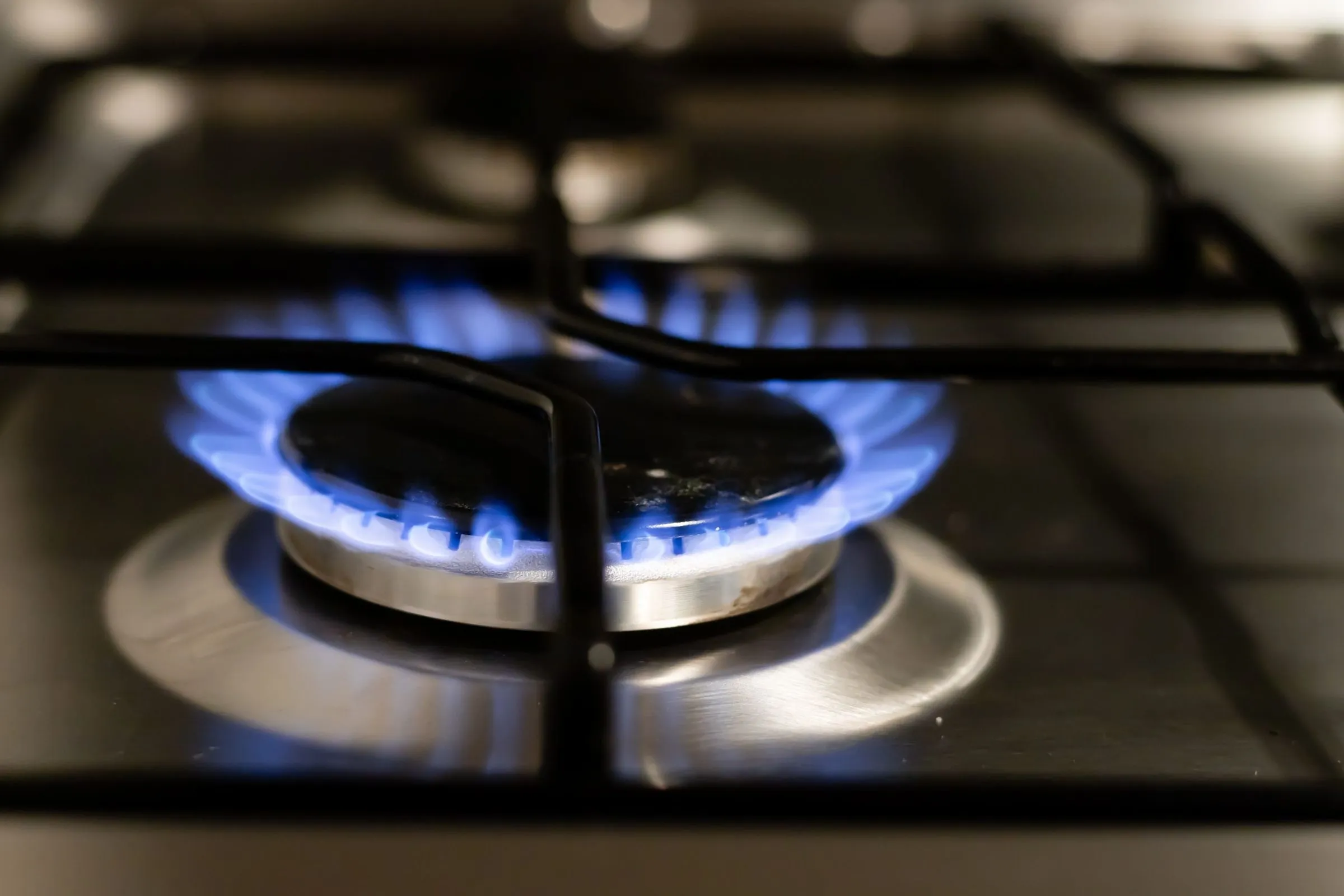
A stove burner, shown only for the flame colour.
The furnace repair vs replace math
None of what follows is an industry standard, and a formula can’t see the condition of your particular furnace. Two cases are easy, though. A small repair on a furnace under ten years old is almost always worth it, since the unit has real life left. A major repair, such as a heat exchanger or burner assembly, on a furnace past fifteen rarely is. You would be paying a big share of a replacement for a short stretch of life.
The middle is where people get stuck, and two rules of thumb come up again and again on HVAC company blogs:
- The 50% rule: if a repair costs more than about half the price of a new unit, replace.
- The $5,000 rule: multiply the furnace’s age by the repair cost. Over 5,000 leans toward replacing. That source’s own example is a 12-year-old furnace with a $500 repair, which comes to 6,000.
We’d trust the pattern of repairs more than either formula, since neither one knows whether parts for your model are still easy to get or how much fuel the old unit wastes. As an illustration, not a price: two $400 repairs in three years is $800 put into a furnace that is still getting older. It belongs in the picture.
For a 13-year-old furnace facing a mid-sized repair, put three numbers on the table (age, repair cost, replacement cost) and the answer usually becomes obvious. The costs and planning guides cover what goes into the replacement side.
What a replacement involves
The big choice is the system: another gas furnace at an efficiency level you pick, or a heat pump, alone or paired with a furnace. The heat pump guides cover that side. After that it comes down to fit. An existing vent and gas line may suit the new unit, or a high-efficiency furnace may need new venting and a condensate drain.
When you compare quotes, ask what each one covers (permits and hauling away the old unit, for example) and what the warranty covers. The warranty on the installation work and the manufacturer’s warranty on the equipment are two separate things.
None of this is a reason to rush; a decision made in October usually leaves more choices than one made during a January cold snap, which is when a failed furnace hurts most here.
Questions about your own furnace? Get in touch. And if you’d like to know who writes these guides, that’s on our about page.
General information only. Act on the safety signs first; the rest is a decision, not an emergency.