
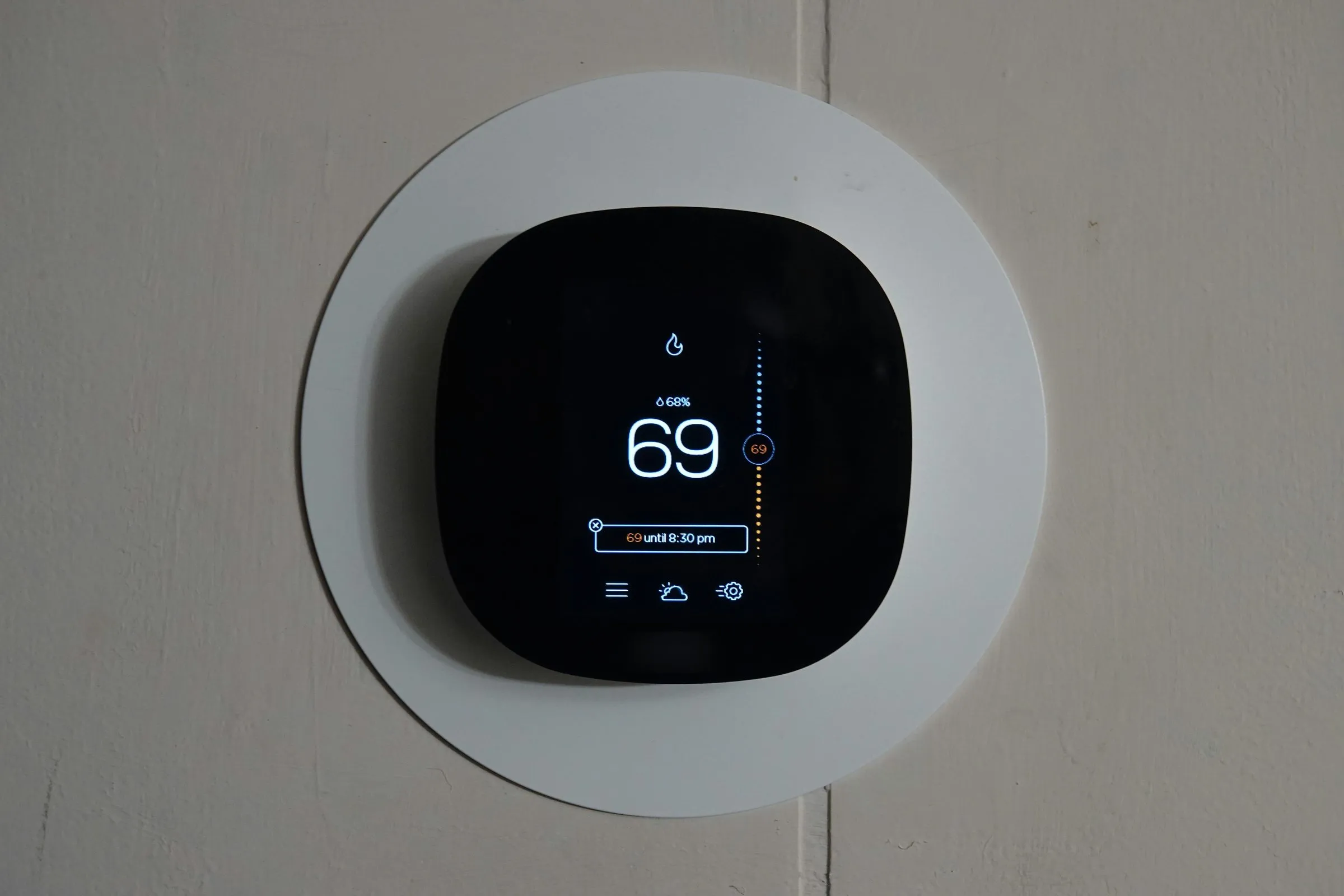
Around 68 to 70°F while you’re awake, and lower while you sleep or are out of the house. That’s the U.S. Department of Energy’s guidance, and for most homes it’s the right place to start. What “lower” should mean depends on what heats your house, though. A gas furnace or boiler can be turned down at night without much thought. A heat pump is fussier. And an empty house in January has a floor of its own, set by the pipes rather than by anyone’s comfort.
What to set your thermostat to in winter
Here is the DOE’s wording, from its Energy Saver page on programmable thermostats. When we checked in September 2026 the live page wasn’t loading, so the link goes to an archived copy of the DOE page from January 2026. Every DOE quote in this article comes from that page.
“You can easily save energy in the winter by setting the thermostat to around 68°F to 70°F while you’re awake and setting it lower while you’re asleep or away from home.”
Notice the word “around.” It’s a range to start from, and people land in different places inside it for good reasons: someone who sits still at a desk all day will want more heat than someone moving around the kitchen. What should thermostat be set at in winter, then? The lowest number in that band that everyone in the house is actually comfortable at. Try it for a few days before you judge it. The first evening at a new setting nearly always feels colder than it really is.
Is 68 a good temperature for heat in the winter?
Yes. It’s the bottom of the DOE’s range for waking hours. If 68 feels colder than it should, read the humidity section further down before you touch the thermostat.
Is 72 too high?
It isn’t unsafe or wrong, just above the DOE’s range, so it costs more to hold all day. How much more depends on the house, the weather and what you pay for fuel, and nobody can honestly give you a percentage for your house from a general article. If 72 is what makes the house livable for someone older or someone recovering from an illness, keep it there.
Turning it down at night or when you’re out
This is where most of the savings come from, and the DOE gives a number for it:
“You can save as much as 10% a year on heating and cooling by simply turning your thermostat back 7°-10°F for 8 hours a day from its normal setting.”
Some caution with that number. “As much as” makes it a ceiling, and it covers heating and cooling together. The same page adds that “the percentage of savings from setback is greater for buildings in milder climates than for those in more severe climates.” A January here isn’t mild, so expect to land somewhere under the top figure. The savings are still real. They just aren’t something anyone can promise you.
In practice, 8 hours a day usually means overnight, or the hours when the house is empty. So, with a setting of 68 while you’re up, you’d drop it to somewhere around 60 or 61 at bedtime and bring it back before the alarm goes off. A programmable or smart thermostat does the remembering for you, and it can start warming the house a little before you get up, so you never wake up to the cold part.
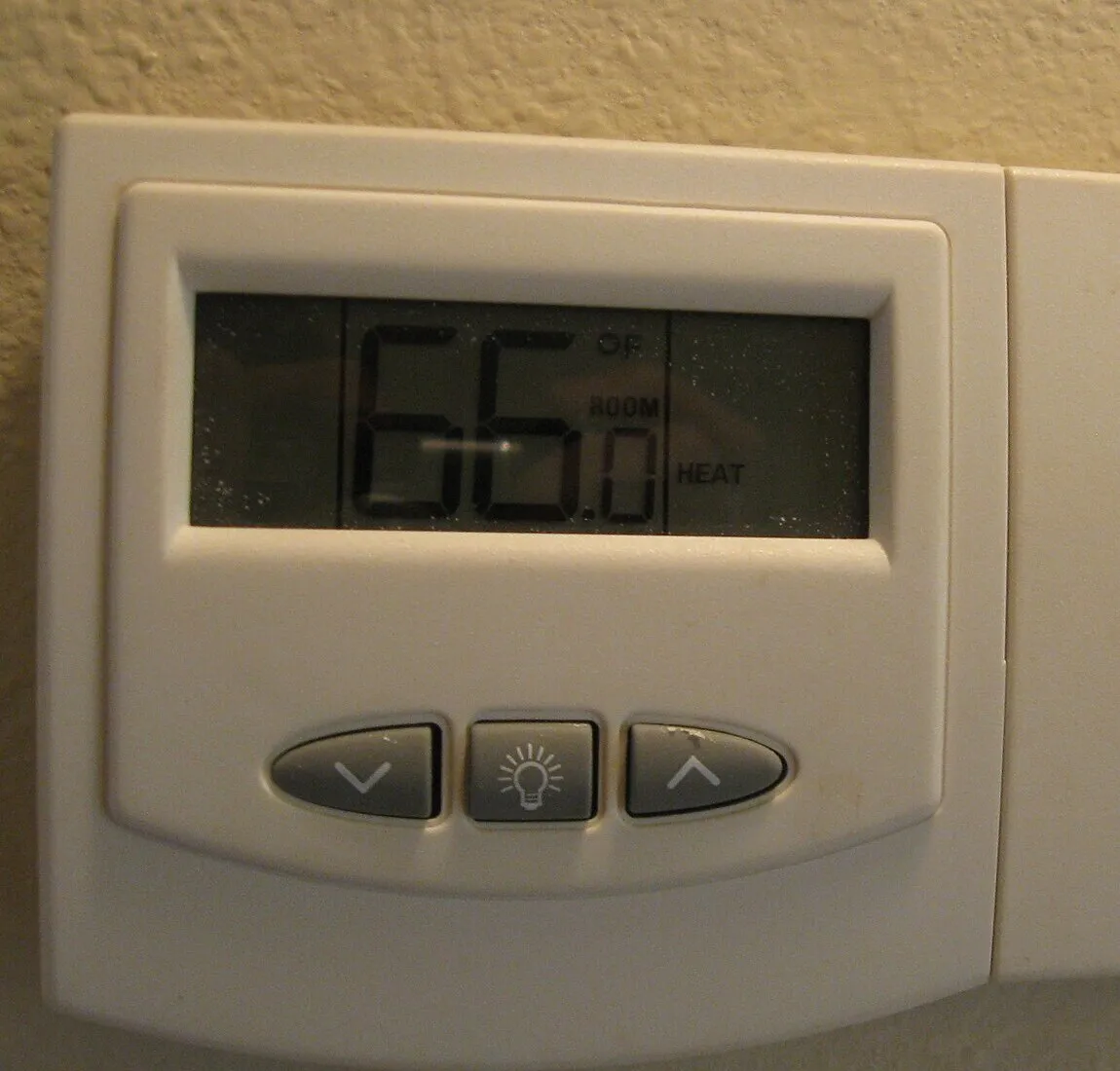
Want to see whether a setback works in your house? Use the bill. Most gas and electric bills show usage (therms or kilowatt-hours) next to the dollar amount, and often the same month last year. Compare the usage, not the dollars, since rates change. A colder or milder month will still skew the result, so read it as a rough signal.
One oddity, for anyone living with old radiators: the DOE notes that steam heat and radiant floor heat respond so slowly (it says “up to several hours”) that some people consider setbacks pointless for them. The DOE doesn’t agree. It suggests starting the cool-down well before bed and bringing the heat back up two or three hours before you wake, and admits this “may require some guesswork at first.” A system that takes hours to warm up won’t forgive a late schedule. (If you’re not sure which kind of boiler you have, steam vs hot water boilers shows how to tell.)
If you have a heat pump, be careful with setbacks
Everything above assumes a furnace or boiler. With a heat pump, the DOE’s advice more or less flips:
“Programmable thermostats are generally not recommended for heat pumps. … when a heat pump is in its heating mode, setting back its thermostat can cause the unit to operate inefficiently, thereby canceling out any savings achieved by lowering the temperature setting. Maintaining a moderate setting is the most cost-effective practice.”
The problem is the morning. Drop a heat pump 8 degrees overnight and then ask for all of it back at 6 a.m., and the thermostat sees a house that’s far behind. Many systems respond by calling in auxiliary heat, usually electric resistance strips in the air handler. Those strips warm the house quickly, but running them costs more than running the heat pump. Do that every morning and you can easily give back whatever the night saved. The heat pump itself is working as it should. The setback is what’s asking too much of it.
Auxiliary heat switches on by itself. Emergency heat is a manual setting for when the outdoor unit has failed. The two are easy to mix up, and do heat pumps work in New Jersey winters? explains both, along with dual fuel systems that use a gas furnace as the backup instead.
There’s a way around this. The DOE notes that “some companies have begun selling specially designed programmable thermostats for heat pumps, which make setting back the thermostat cost-effective,” typically using “special algorithms to minimize the use of backup electric resistance heat systems.” Those thermostats warm the house slowly and early instead of all at once.
How big a setback is too big? We looked for an official number and didn’t find one. The DOE says “a moderate setting” and stops there. Our view: with a heat pump, leave the setting steady, or drop it by only a couple of degrees. Then watch the thermostat for a week of mornings. Many thermostats wired for a heat pump show an “aux” or similar indicator when the backup is running. If it lights up every morning right after the setback ends, shrink the setback or drop it.
Most homes in the state still heat with gas, about 74% of occupied homes in the Census Bureau’s 2024 survey (house heating fuel, via Census Reporter), so the ordinary setback advice fits most readers. About one in six heat with electricity, and that group includes the heat pumps (along with electric baseboard). If yours is one of them, this section is the one to take seriously.
Comfort at a lower setting
If 68 feels chilly and the thermometer says it really is 68, look at the air before you look at the thermostat. Heating dries indoor air, and in winter the humidity inside can drop into the 20s. The usual signs are static shocks, dry skin and a scratchy throat in the morning. Our article on indoor humidity covers what level to aim for in winter (lower than in summer) and how to tell when you’ve added too much moisture: the windows fog up.
Then there’s the usual advice: close the curtains at night, dress for the season, and keep furniture off the supply registers. A sofa pushed against a register mostly heats the sofa.
The lowest setting when you’re away
This one has a clear official answer. The American Red Cross, on preventing frozen pipes:
“If you will be going away during cold weather, leave the heat on in your home, set to a temperature no lower than 55° F.”
Treat 55 as a floor. It doesn’t guarantee that every pipe will survive. The thermostat measures the air in the hallway, not the air around a pipe inside an outside wall, above an unheated garage or in a crawlspace. Those spots can freeze while the rest of the house holds 55 just fine. If you know your house has a pipe like that, keep the setting higher than 55.
The same Red Cross page reverses the setback advice during a real freeze: “Keep the thermostat set to the same temperature both during the day and at night.” It admits you may pay a higher heating bill, and says that is worth it to avoid “a much more costly repair job if pipes freeze and burst.” So on the coldest nights, skip the setback.
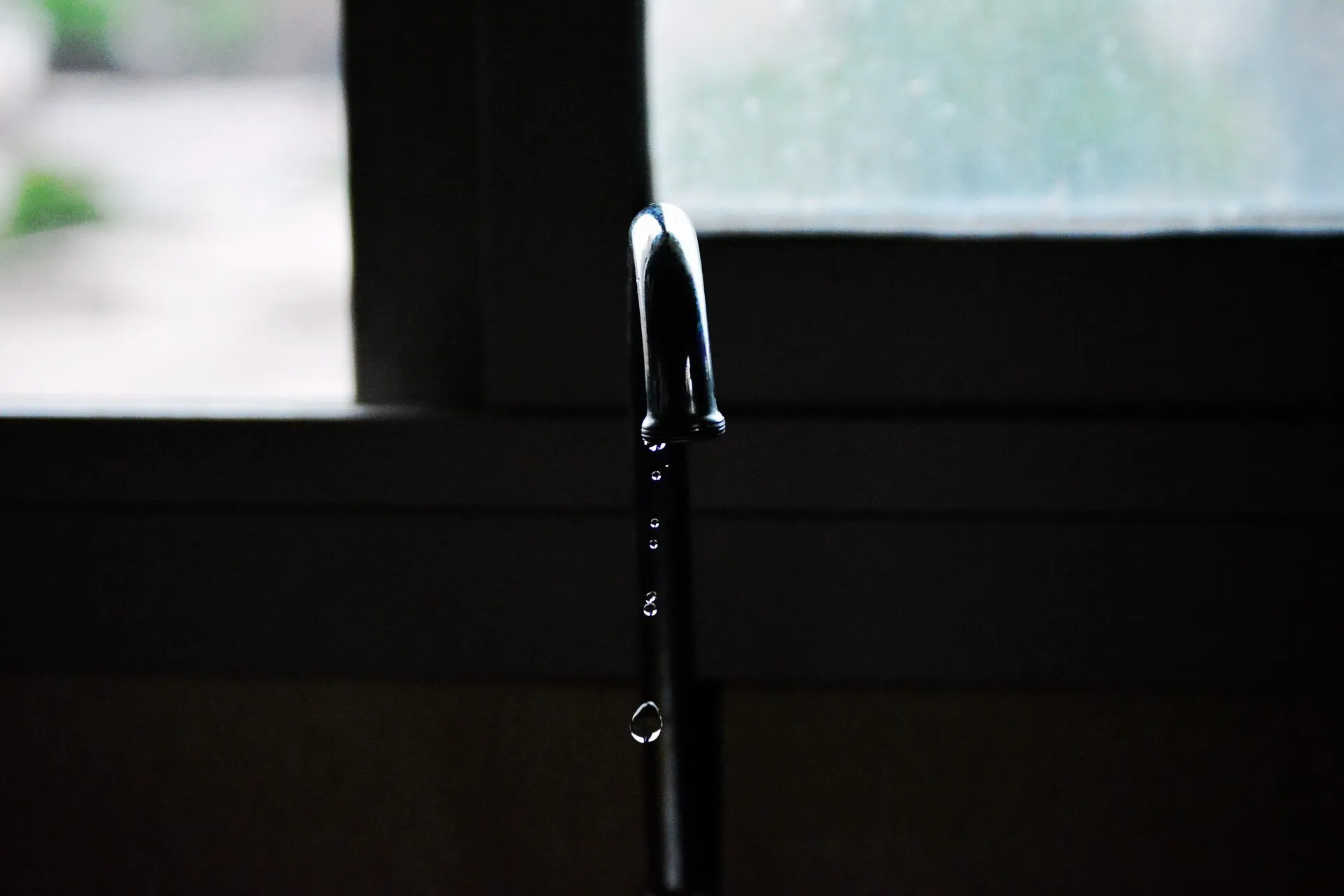
The state’s Office of Emergency Management adds a few steps on its winter page: let both hot and cold faucets “continuously drip a little,” wrap exposed pipes, and “know how to shut off your water valves if a pipe bursts.” That last one costs nothing. Find the main shut-off before you leave, not while water is coming through the ceiling.
What about summer?
The DOE applies the same logic in summer: keep the house warmer than normal while you’re away, and when you’re home, set the thermostat “as high as is comfortable for you when you are at home and need cooling and to ensure humidity control if needed.”
The page gives no specific number. You’ll often see 78°F quoted as the official figure for what temperature to set the air conditioner in summer, but we couldn’t find it in the DOE guidance quoted here, so we won’t pass it off as official. Find the warmest setting your household is comfortable at and use that. The part about humidity control matters, because an air conditioner that isn’t running long enough can leave the house cool but clammy. The cooling guides go into that.
Where to go from here
If you’re comparing what it costs to heat with gas against a heat pump, furnace vs heat pump: which costs less works through it. And if your system doesn’t behave the way this article describes, you can get in touch with our team.